 +(91) 9867215033
 info@ujjwalengineers.com
 Maharashtra, Gujarat, India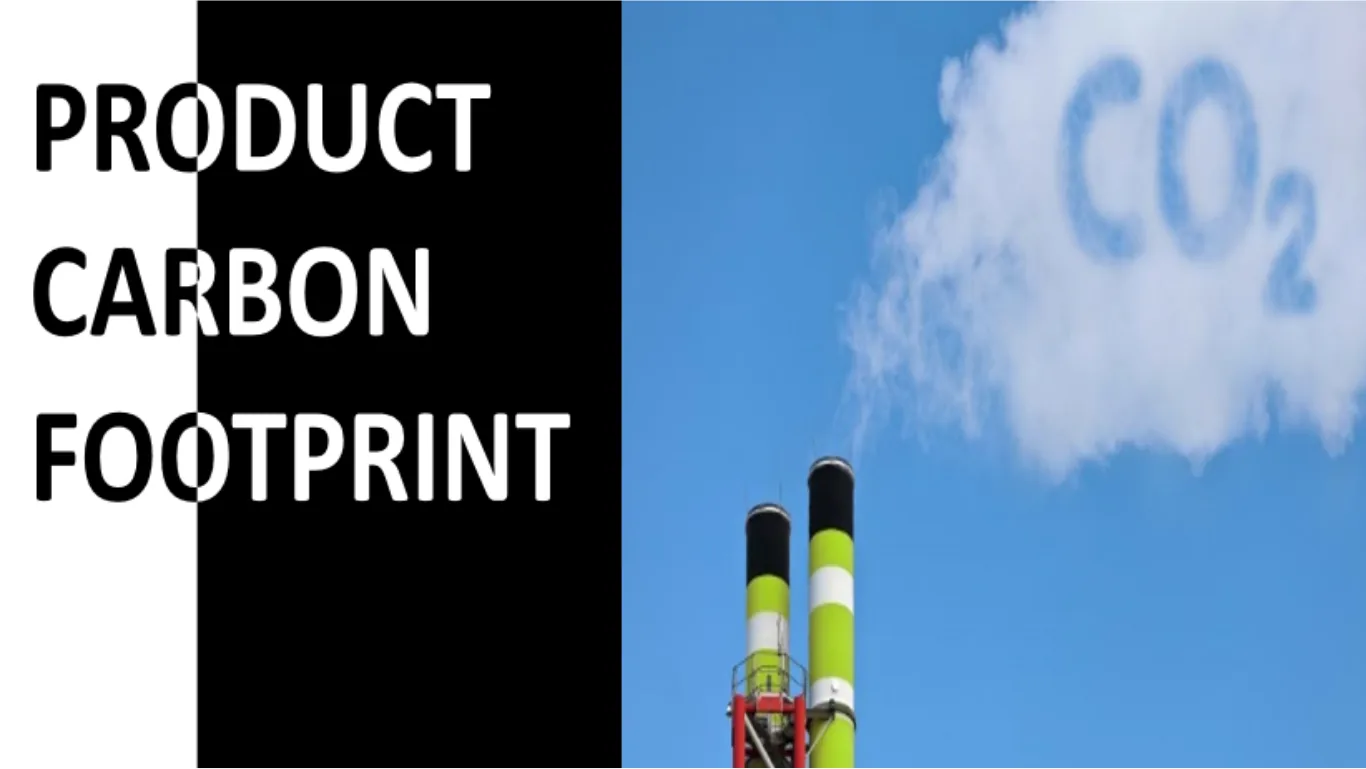
Why this landed on your desk
The EU's Carbon Border Adjustment Mechanism places reporting obligations on importers of certain carbon-intensive goods. Those importers cannot report without data from their suppliers - which is how the obligation reaches an Indian manufacturer who has no direct relationship with the EU at all.
If your EU customer has asked for embedded emissions data with a deadline attached, this is why.
Which sectors are affected
- Iron and steel
- Aluminium
- Cement
- Fertilisers
- Electricity and hydrogen
Scope, timelines and methodology continue to evolve, so the position for a specific product and compliance period should be confirmed against the current EU regulation and with your importer.
What "embedded emissions" actually means
Not your company's total footprint. CBAM asks for emissions embedded in a specific quantity of a specific product - which means allocating site emissions down to the production route for that good.
This is where most exporters get stuck. Corporate emissions data exists in many companies. Emissions allocated to one product line, through a defined production route, with the method documented well enough for a customer's auditor - that usually does not exist yet, and it is not a spreadsheet exercise.
How we help
- Determining whether your goods fall in scope, by CN code
- Mapping the production route and defining system boundaries
- Calculating direct and, where required, indirect embedded emissions
- Documenting the methodology so it withstands your customer's review
- Preparing data in the format your importer needs
The foundation underneath
CBAM work is far easier where a GHG inventory and product carbon footprint already exist. If they do not, that is the place to start - and the same data then serves BRSR and customer questionnaires too.





 As per MOEF & CC’s (Govt. of India) Office Memorandum F.
No. 22-34/2018-IA.III dated 9th August 2018 Self-Environmental Audit shall be conducted annually. Every
three years third party environmental Audit shall be carried out.
As per MOEF & CC’s (Govt. of India) Office Memorandum F.
No. 22-34/2018-IA.III dated 9th August 2018 Self-Environmental Audit shall be conducted annually. Every
three years third party environmental Audit shall be carried out.