Practical explanations of the regulations, studies and approvals that Indian industry deals with every day — written by our consulting team.
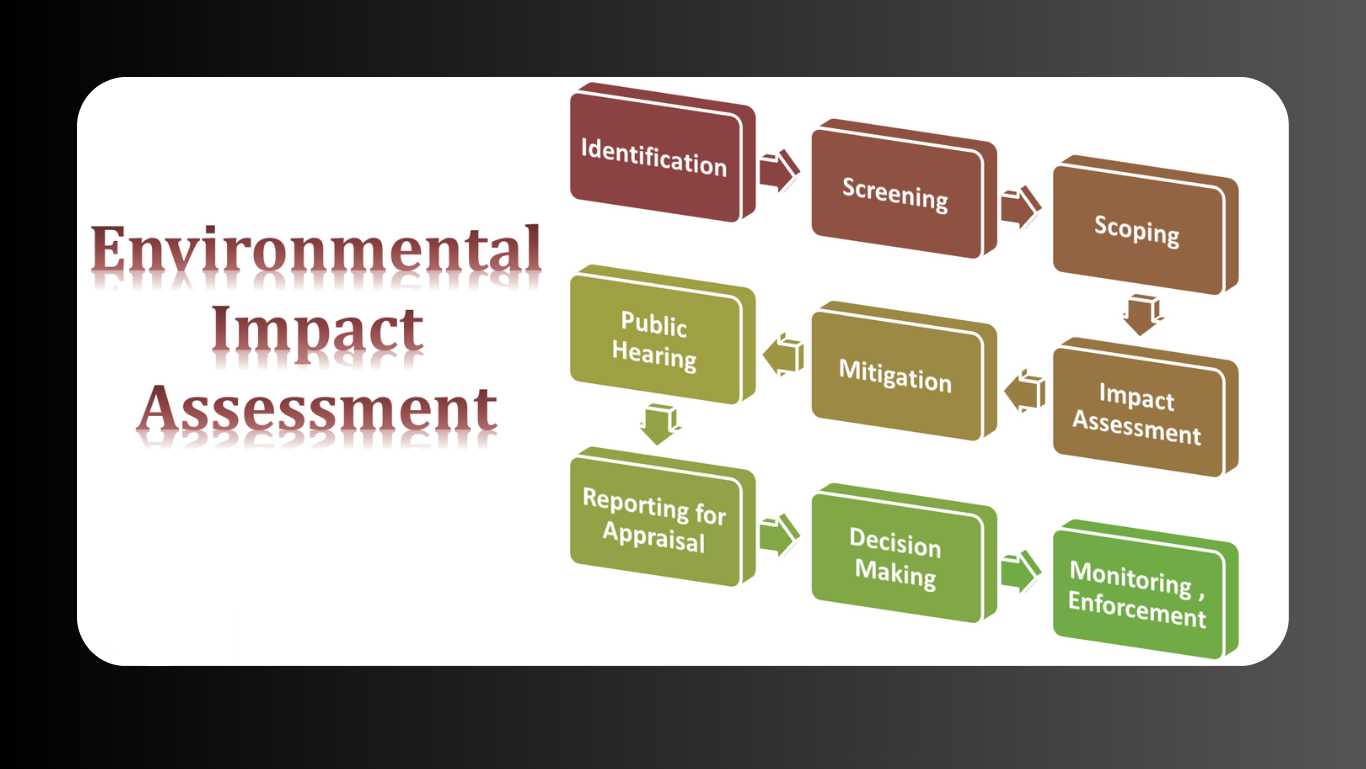
New to Environmental Impact Assessment? Learn what EIA covers, who needs it, and the approval process for projects in India.
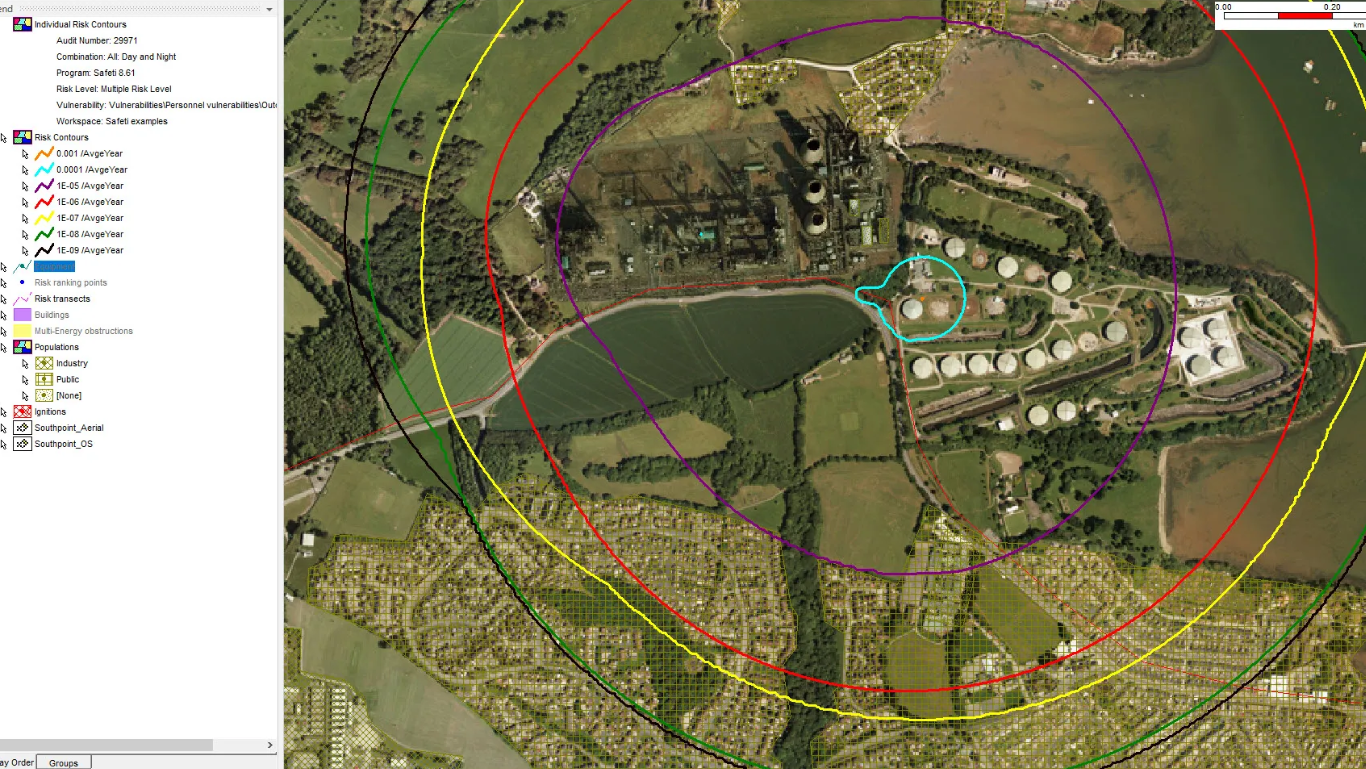
Confused between HAZOP and QRA studies? We break down what each covers, when you need them, and how they work together.
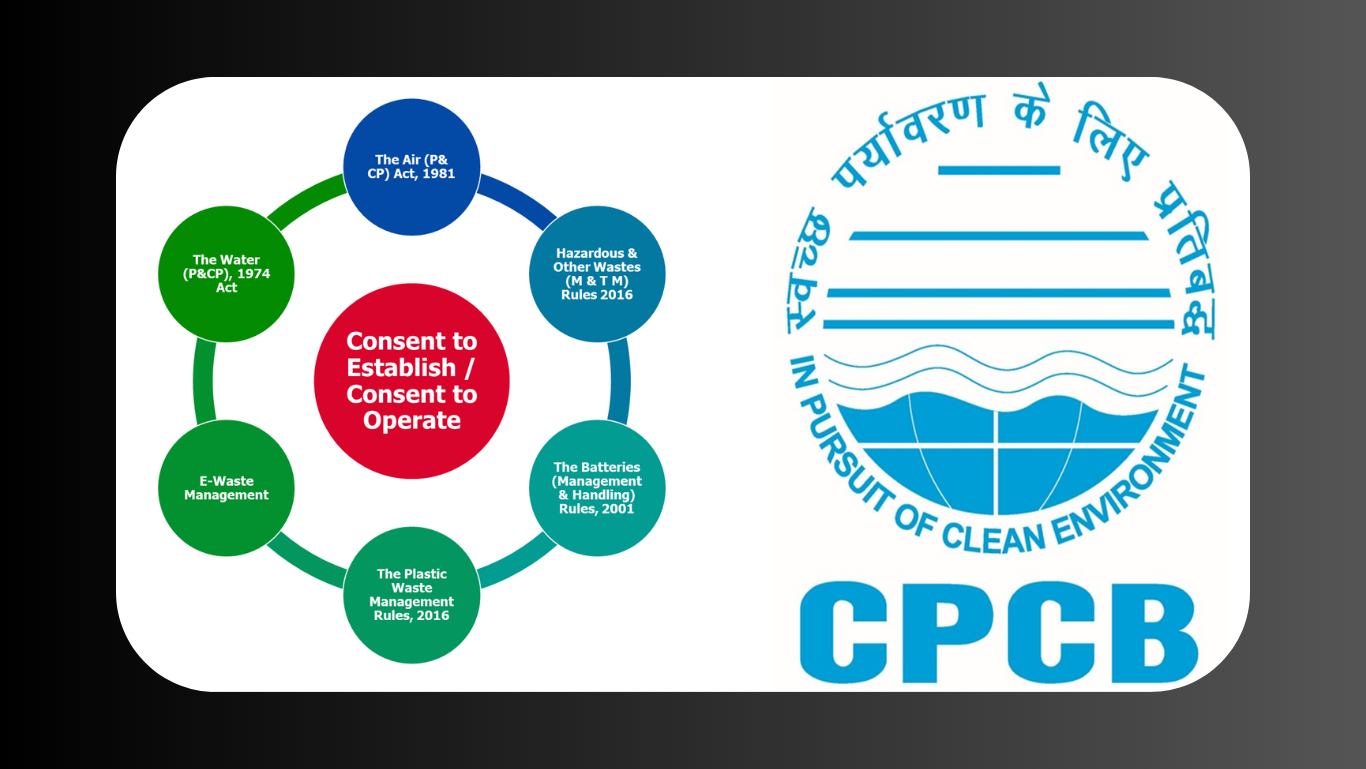
Learn the difference between Consent to Establish (CTE) and Consent to Operate (CTO), and what each involves in Maharashtra and Gujarat.
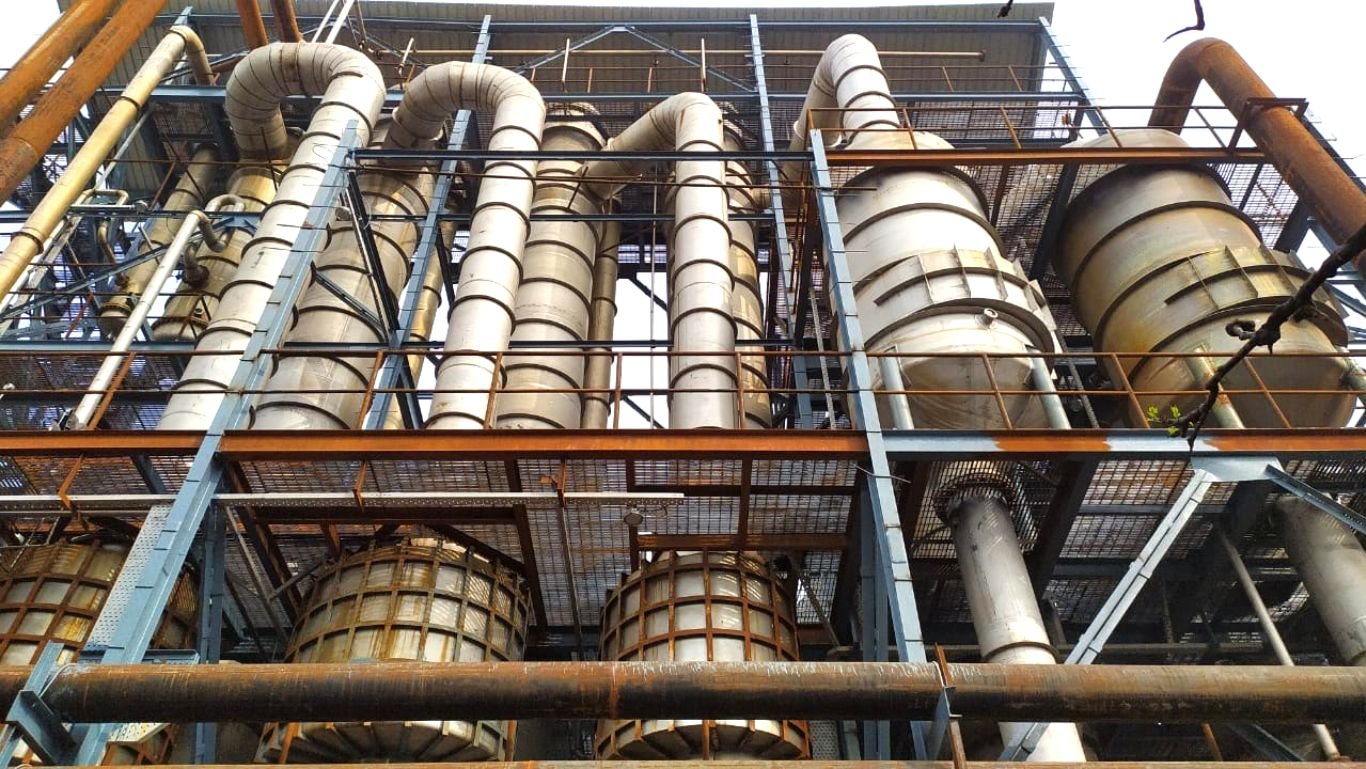
Understand Zero Liquid Discharge (ZLD) - why regulators mandate it, which technologies are used, and how industries stay compliant.
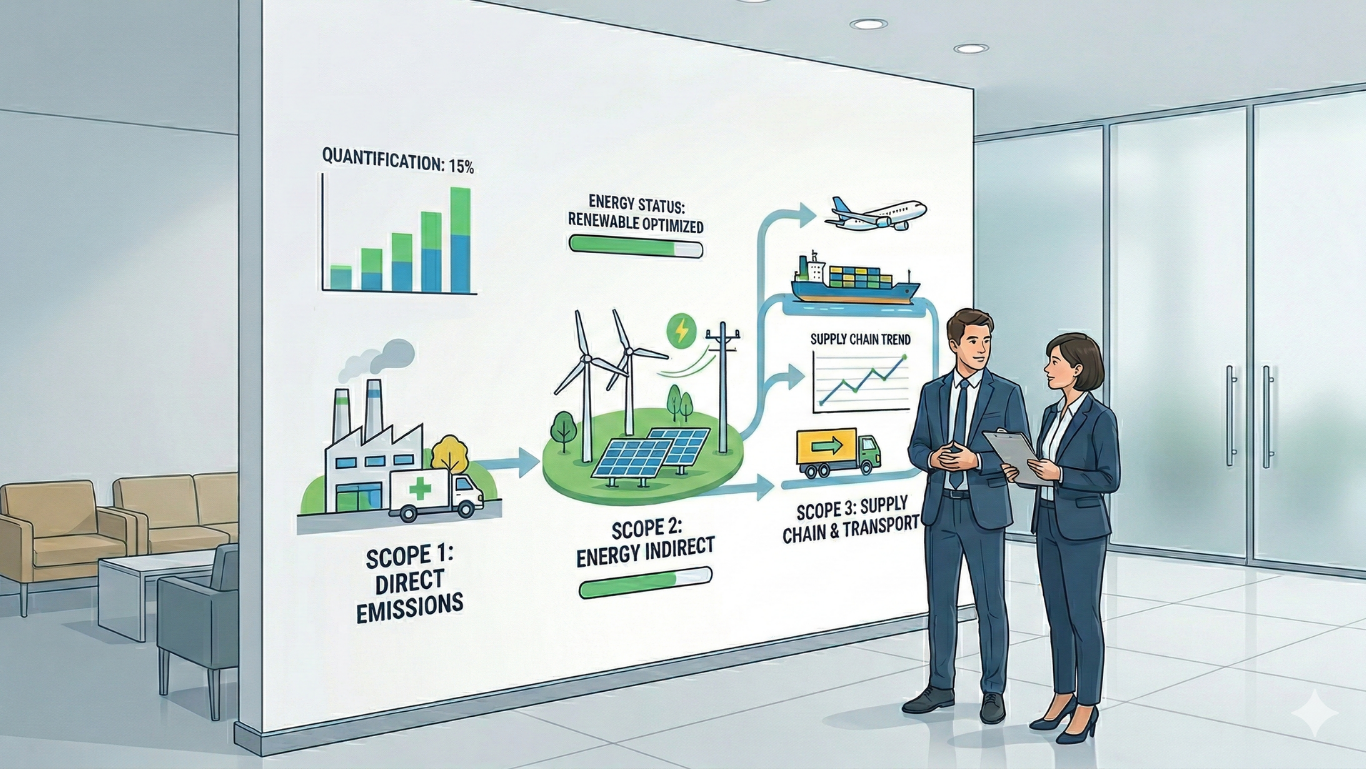
New to GHG accounting? Understand Scope 1, 2 and 3 emissions in plain language and why Indian businesses must report them.

Avoid these 5 common mistakes during environmental audits that can delay compliance or trigger regulatory action.
Comparing IGBC and LEED green building certifications for Indian projects - cost, process, and which suits your building type.
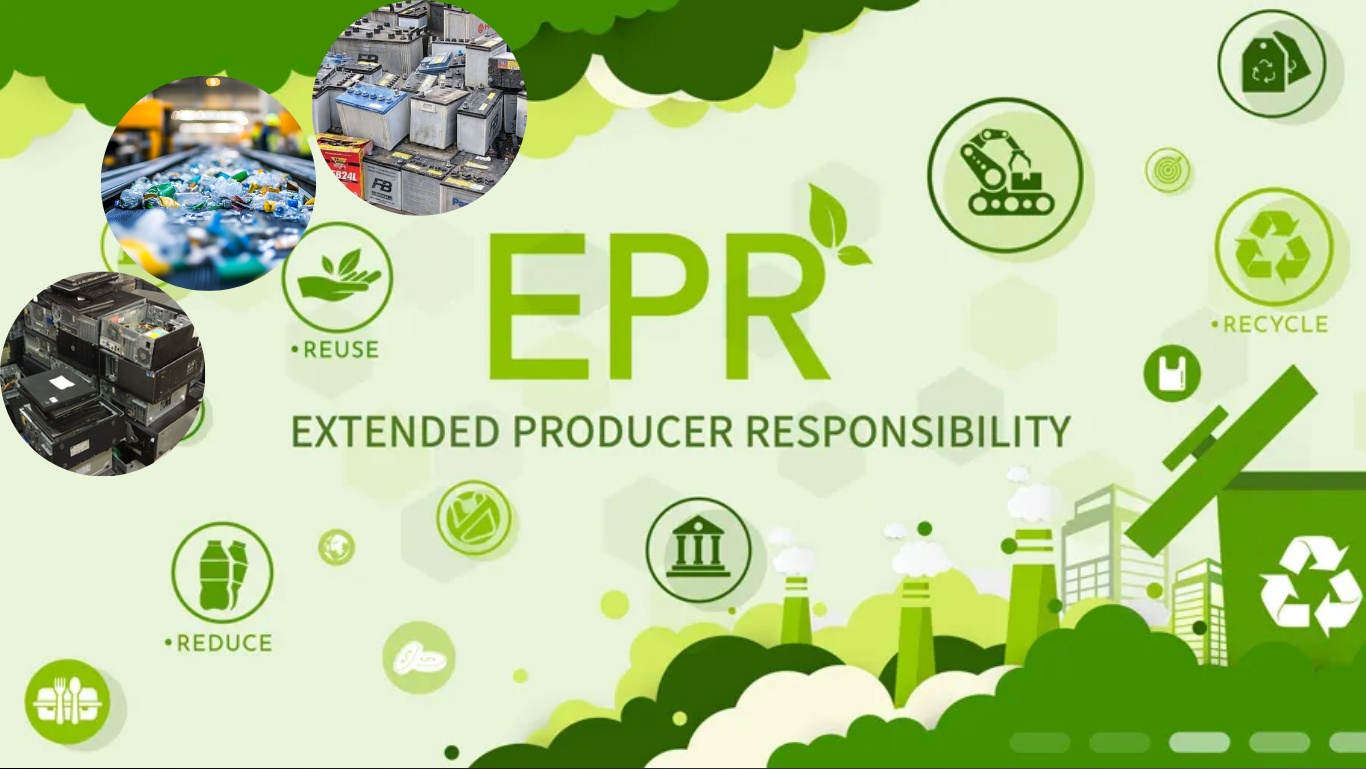
Plastic waste EPR guide for India: check CPCB registration, packaging categories, recycling targets, certificates, annual returns and common compliance gaps.
A practical checklist to help your facility prepare for a GPCB or MPCB compliance inspection and avoid common non-conformances.
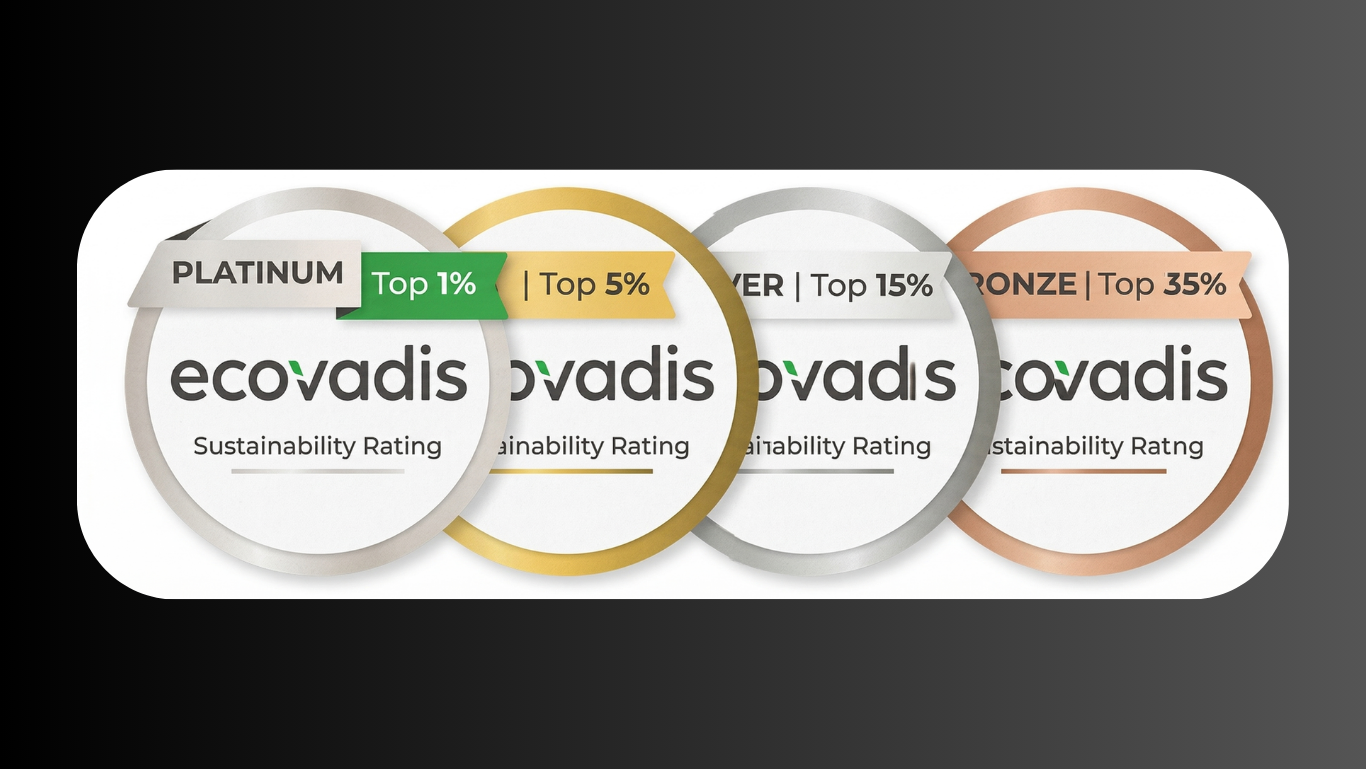
Learn what EcoVadis assesses and practical steps to improve your score across environment, labor, ethics and procurement.
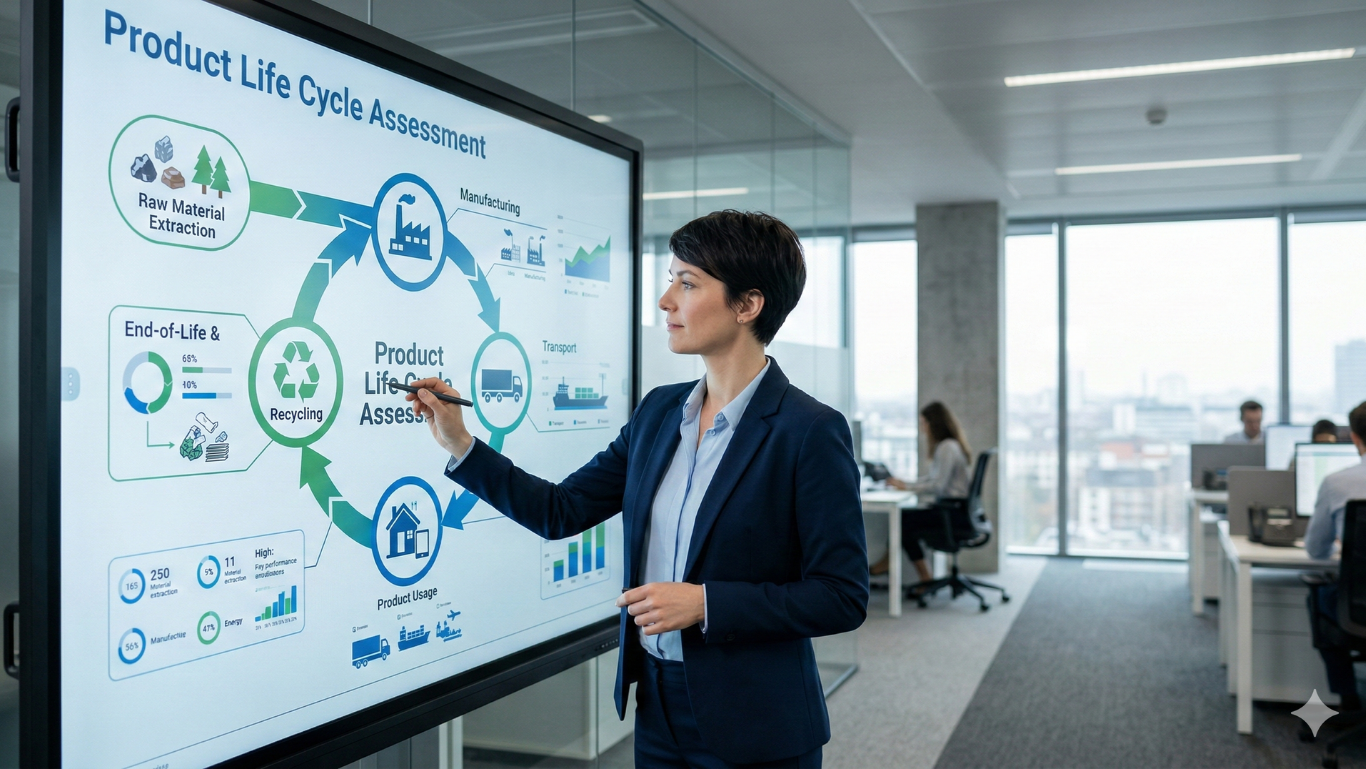
A simple explanation of Life Cycle Assessment (LCA), the ISO standards behind it, and why product-level LCA matters.
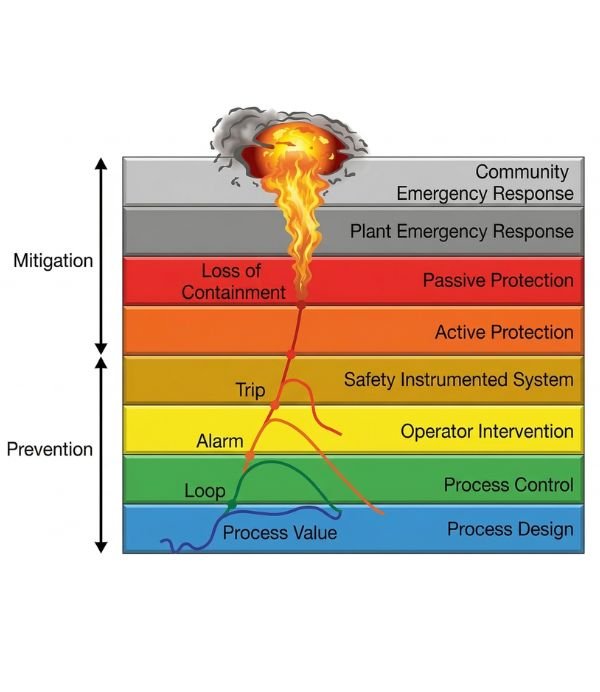
Understand what a SIL (Safety Integrity Level) study involves and why it is critical for functional safety in process plants.
Pharma manufacturers face unique environmental compliance hurdles in India. Here are the most common and how to address them.
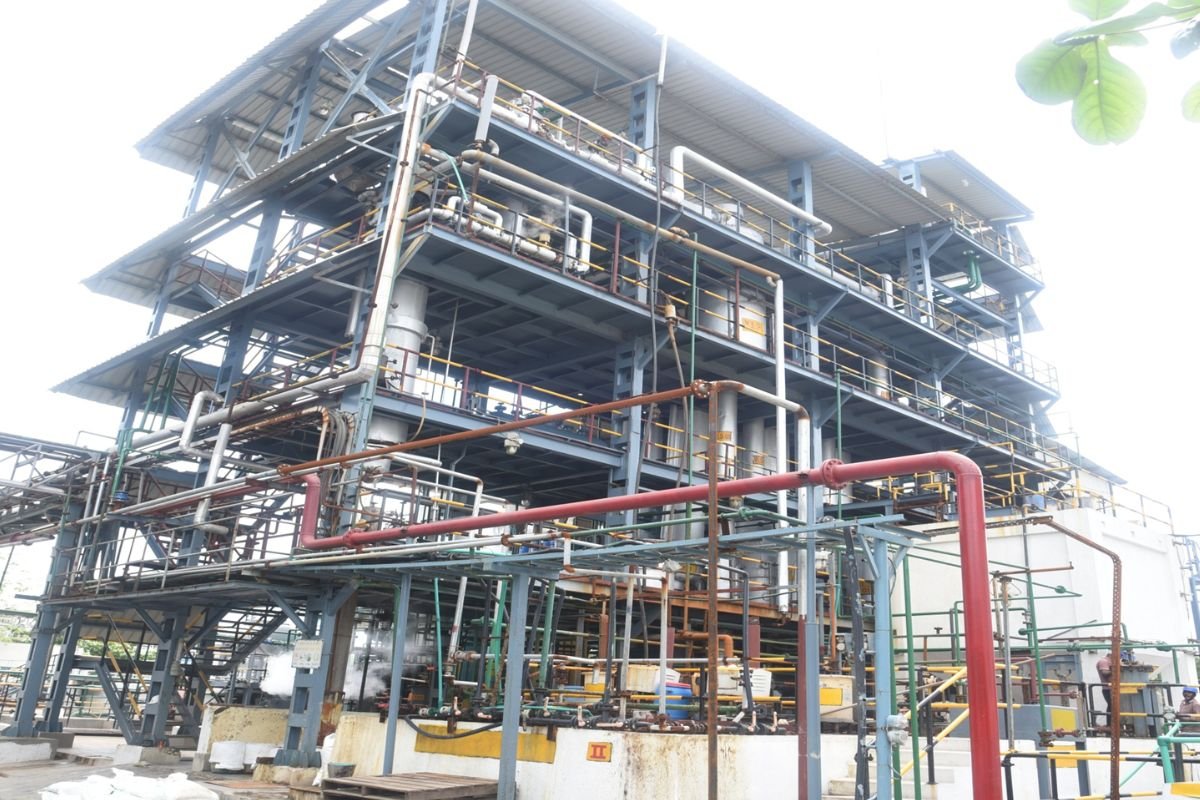
Comparing MEE, MVR and ATFD for zero liquid discharge - cost, energy use and which technology fits your effluent profile.
A step-by-step breakdown of the Environmental Clearance (EC) process in India, from application to approval, with realistic timelines.
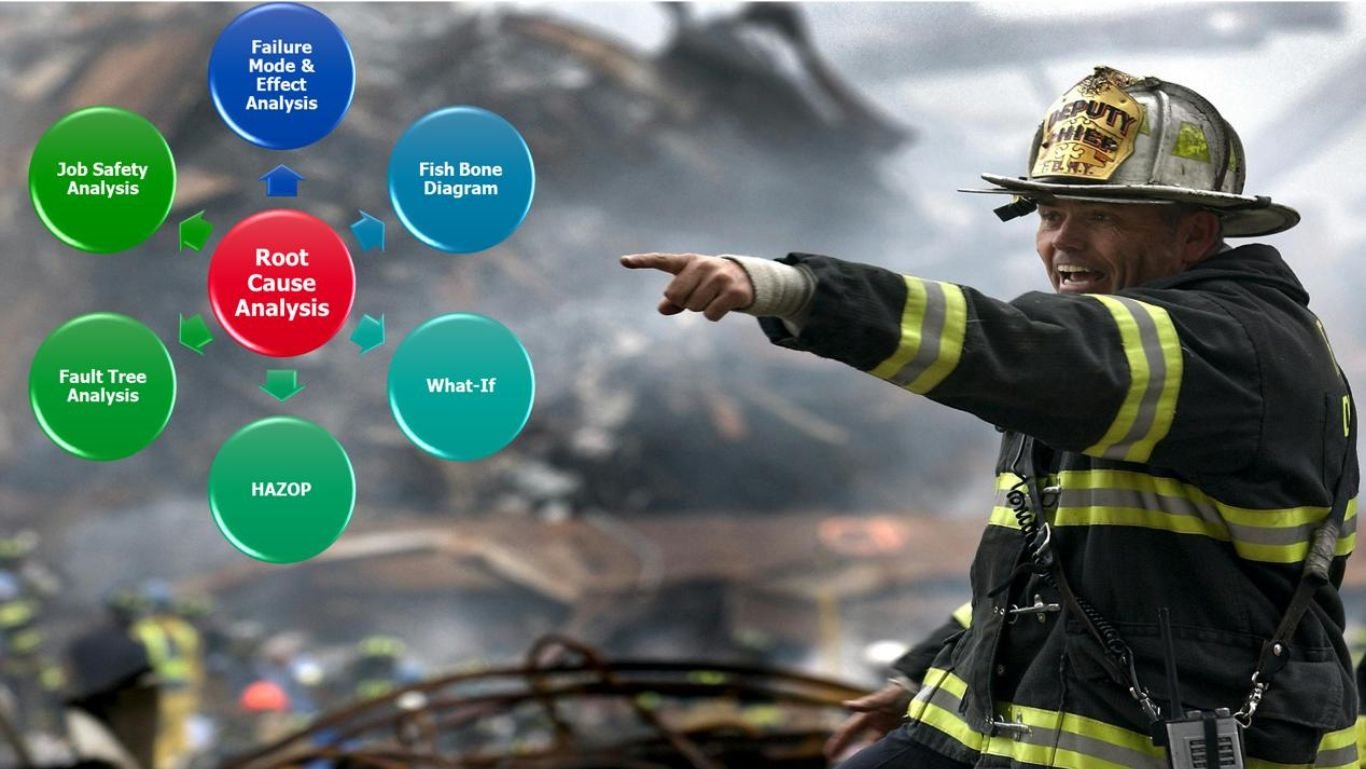
Bow-Tie analysis visually maps hazard causes and consequences. Here is why it is essential for chemical and process plant safety.
What the Form-V Environmental Statement requires, the data you need through the year, and the reconciliation errors boards look for.
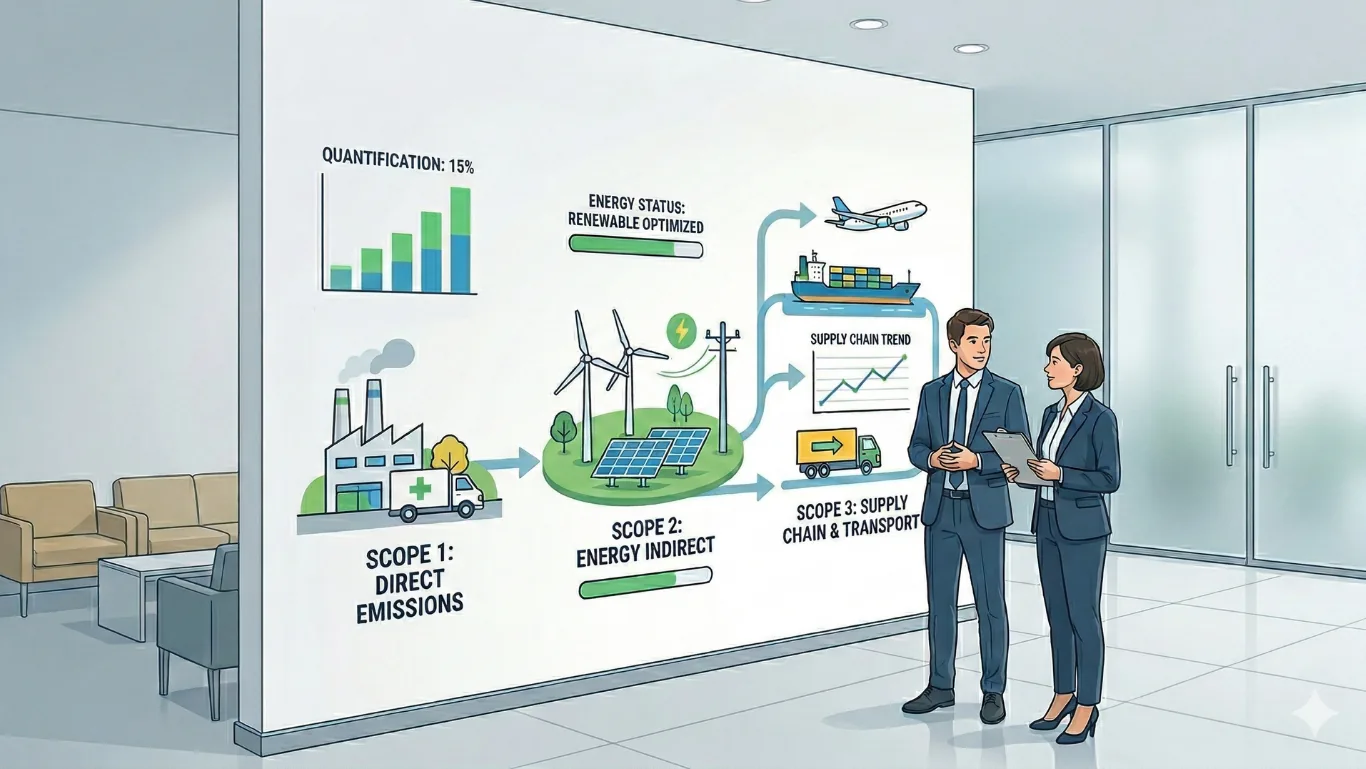
What BRSR and BRSR Core require, why the quantitative indicators cause the scramble, and how to prepare a year in advance.
Why CBAM reaches Indian manufacturers, what embedded emissions means in practice, and what to prepare before your buyer asks.
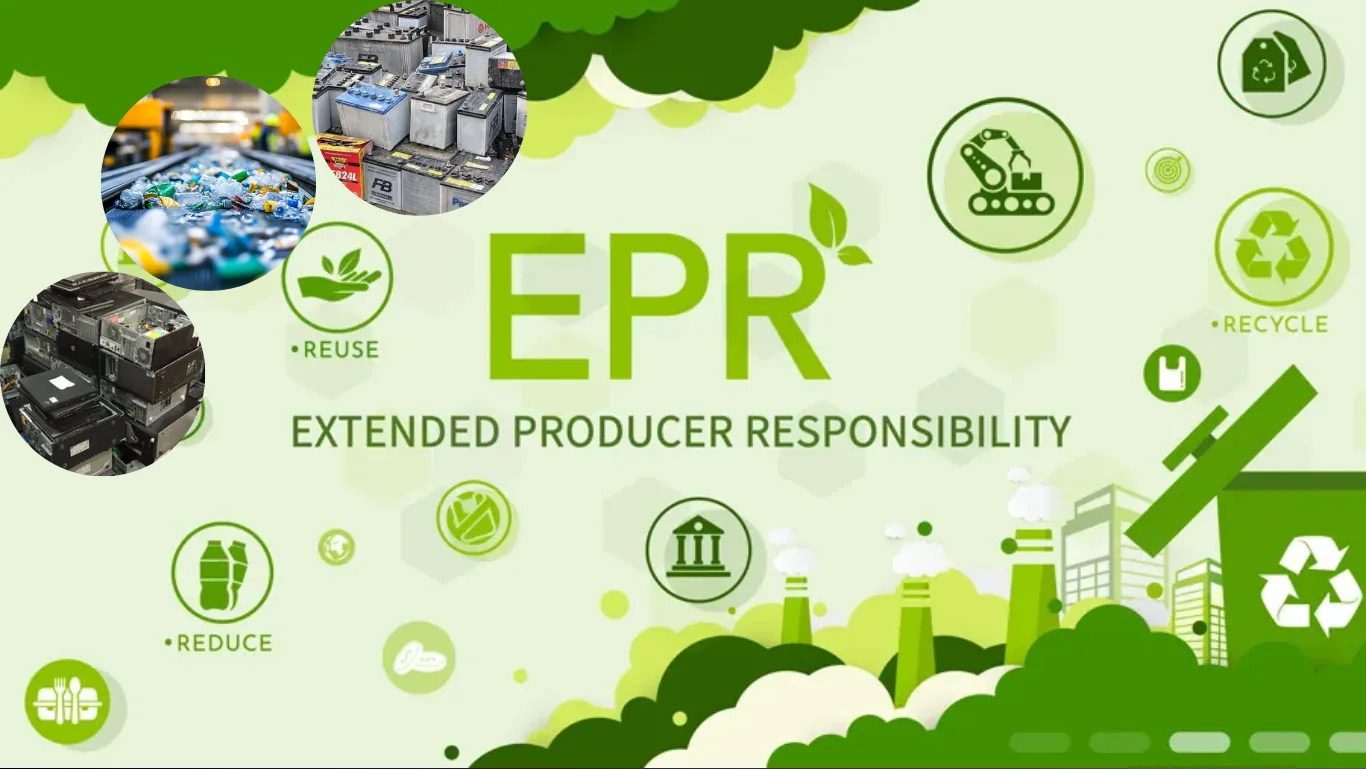
E-waste and plastic packaging EPR run under separate rules with separate registration and targets. Here is how they differ.
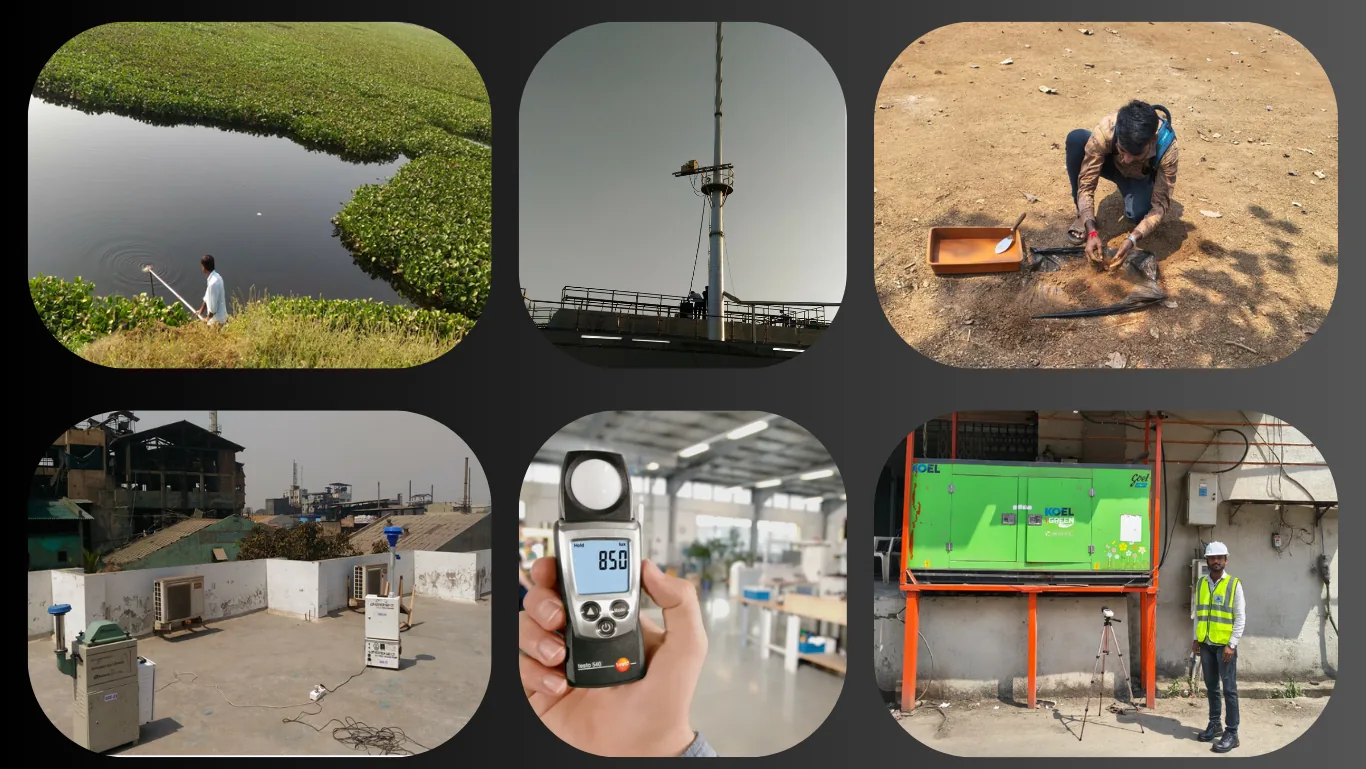
What stack monitoring measures, why operating conditions change the answer, and what makes a stack report hold up under scrutiny.
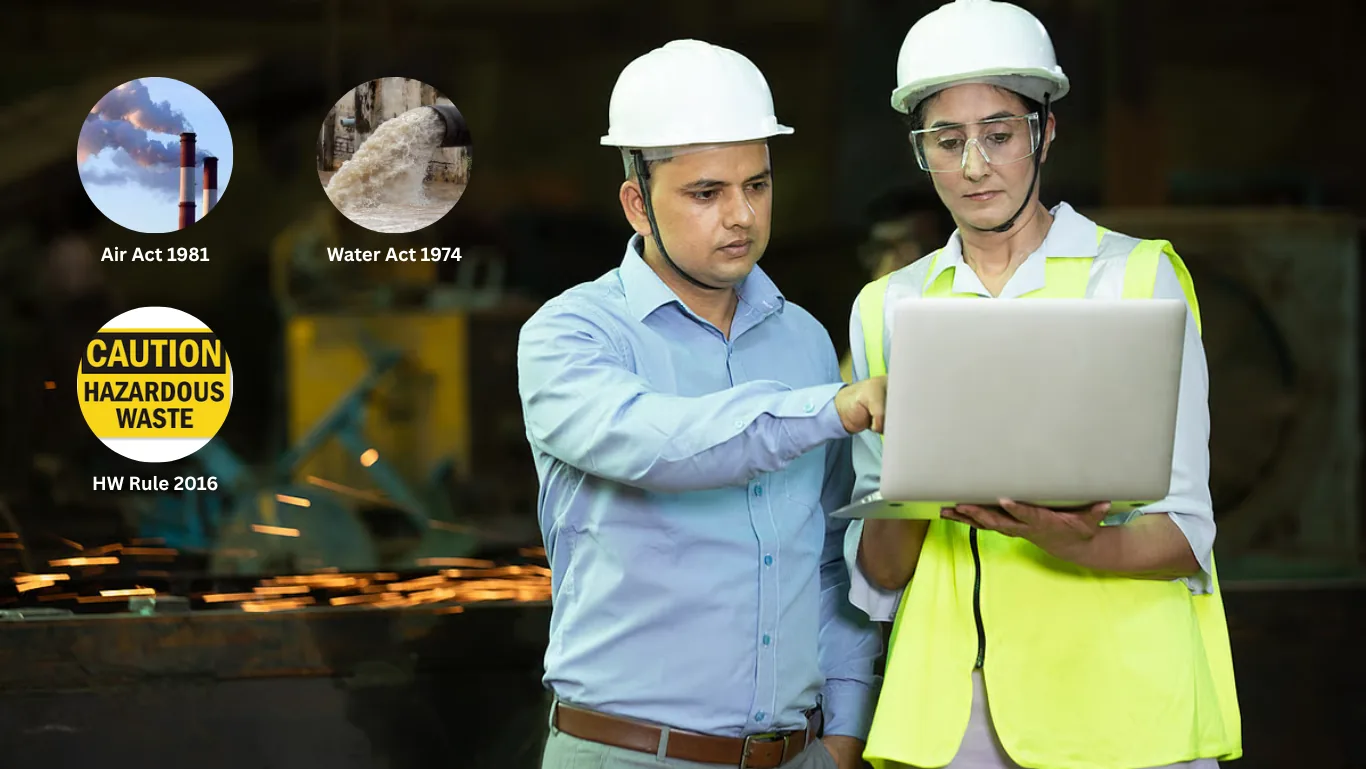
Authorisation, storage, manifests and returns under the 2016 Rules - and the reconciliation gap that shows up in almost every audit.
What actually separates the top environmental consulting firms in India - accreditation, in-house labs, and the questions to ask before you sign.

HAZID and HAZOP are not alternatives. Here is what each covers, when each is done, and why doing them in the wrong order costs money.
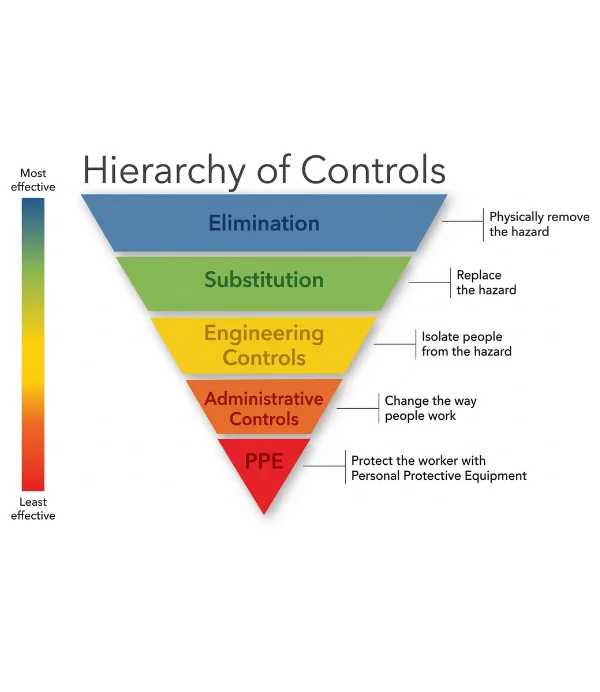
HIRA explained for Indian plants - what it covers, how the risk matrix works, and why most HIRA registers stop being useful within a year.
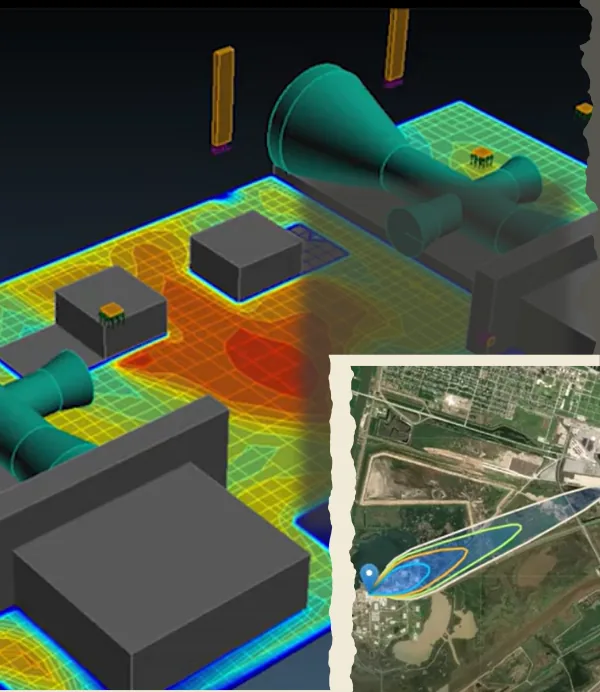
What consequence and dispersion modelling does, which scenarios it covers, and why site-specific weather data changes the answer.

What a Fire and Explosion Risk Analysis covers, the radiation and overpressure thresholds that matter, and when a plant needs one.
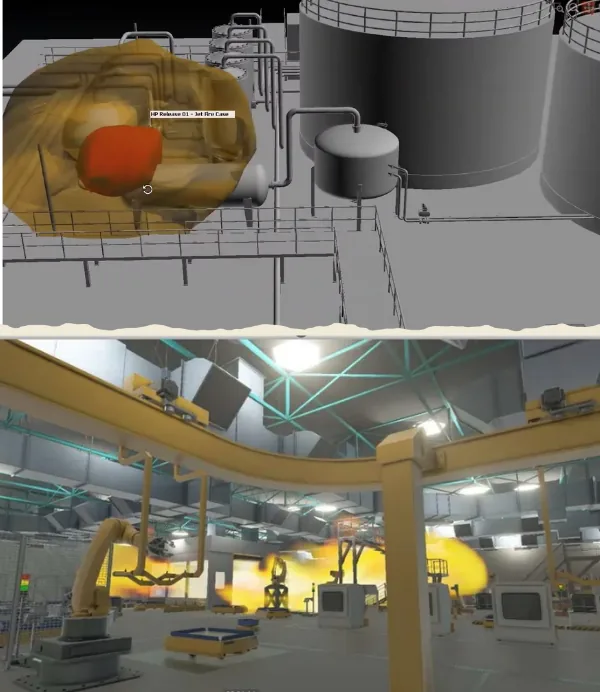
Where computational fluid dynamics beats standard dispersion models, what it is used for in process plant, and when it is overkill.
What makes a site an MAH installation under the MSIHC Rules, what obligations follow, and the documentation gap most sites have.
A practical BRSR Core readiness checklist for listed companies: data owners, evidence, controls, calculation files and assessment preparation.
Build a practical industrial environmental monitoring plan for air, stack, water, noise, soil and workplace compliance with CPCB and SPCB requirements.
Groundwater NOC is no longer a one-time permission. What Bhuneer asks for, the conditions that follow approval, and why renewal starts ninety days early.
 +(91) 9867215033
 info@ujjwalengineers.com
 Maharashtra, Gujarat, India