 +(91) 9284844427
 info@ujjwalengineers.com
 Maharashtra, Gujarat,
India
Maharashtra, Gujarat,
IndiaRisk Assessment Services – Trusted Globally
At Ujjwal Engineers and Environmental Services (UEES), we provide the best risk assessment services in India and worldwide to help industries achieve operational safety, regulatory compliance, and excellence. Our expertise spans petrochemicals, oil & gas, refineries, power plants, pharmaceuticals, automotive, and manufacturing industries.
With a strong presence across Mumbai, Gujarat, Pune, Hyderabad, Chennai, and international locations including Qatar, UAE, Saudi Arabia, Oman, Bahrain, Malaysia, Indonesia, Thailand, Singapore, and the United Kingdom, UEES is recognized as one of the top safety consultants in India and globally.
We deliver tailored risk assessment solutions for hazard identification, risk evaluation, and accident prevention, ensuring your industrial operations are safe, compliant, and efficient.
Why Choose UEES for Risk Assessment?
- Trusted Safety Consultants Across India & Globally: Recognized among the top risk assessment companies in India and the Middle East, serving high-risk industries with precision and reliability.
- Expertise in Multiple Industries: From petrochemical plants and refineries to pharmaceutical hubs, automotive industries, and engineering facilities, our experts understand the unique safety challenges of each sector.
- Compliance with Global & Indian Safety Standards: We ensure full adherence to IEC, ISO, CCPS, OSHA, and MoEF&CC standards, providing world-class safety solutions.
HAZOP Study
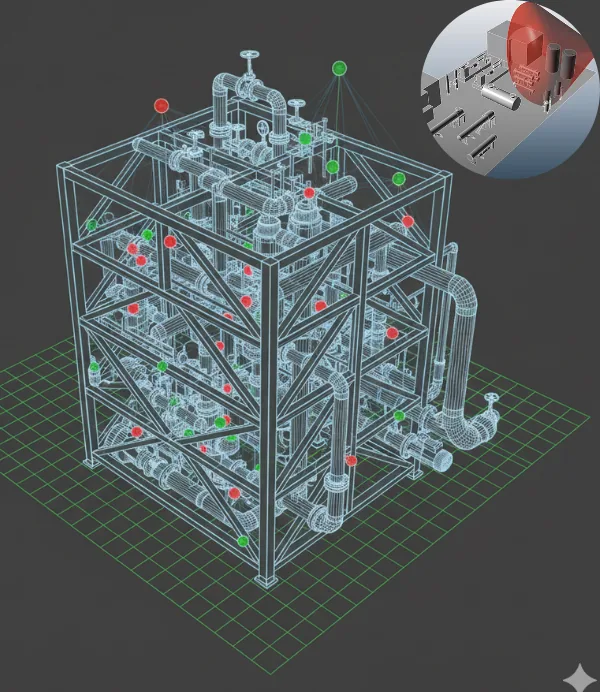
A HAZOP (Hazard and Operability study) is a structured, qualitative examination of a process carried out systematically against the P&IDs. The plant is divided into nodes, and the team applies guide words - no, more, less, reverse, as well as - to process parameters to generate credible deviations from design intent. For each deviation the team records causes, consequences, existing safeguards and recommendations. The methodology follows IEC 61882.
A HAZOP is only as good as the team around the table. Ours are run by an independent facilitator with a dedicated scribe, and require process, operations, instrumentation and maintenance representation.
Quantitative Risk Assessment (QRA)
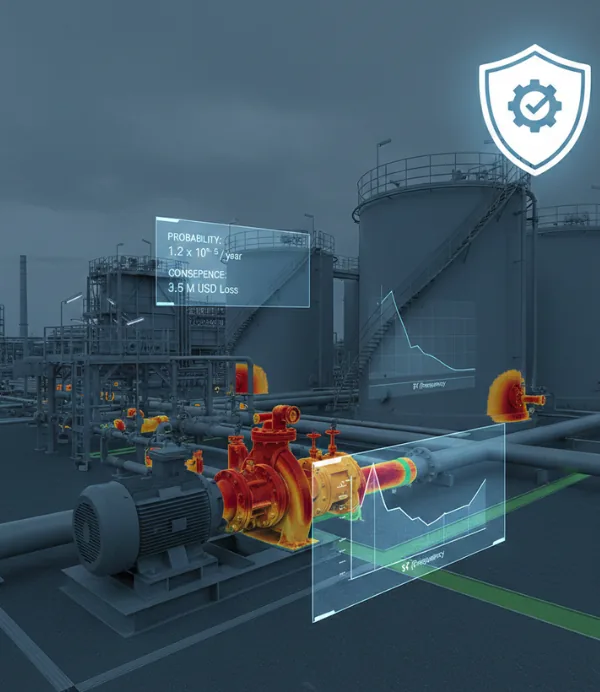
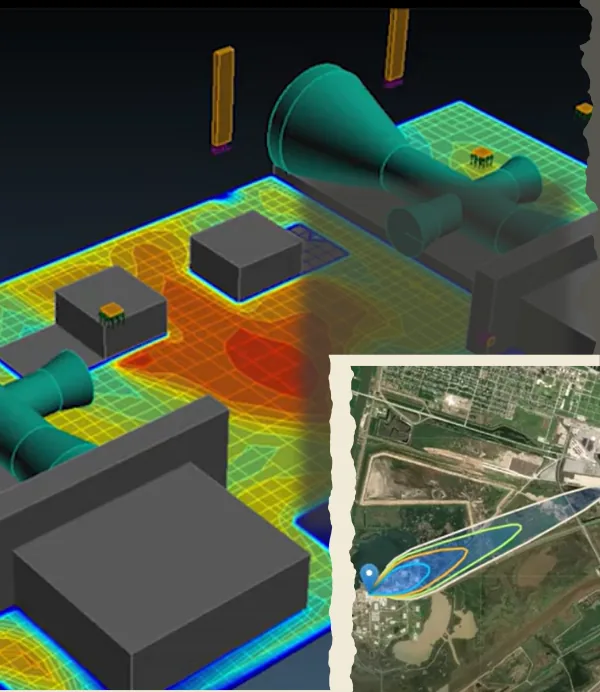
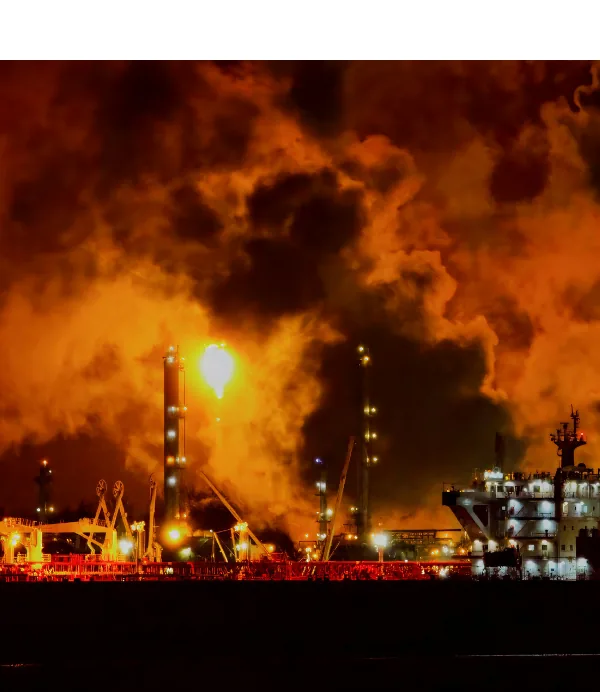
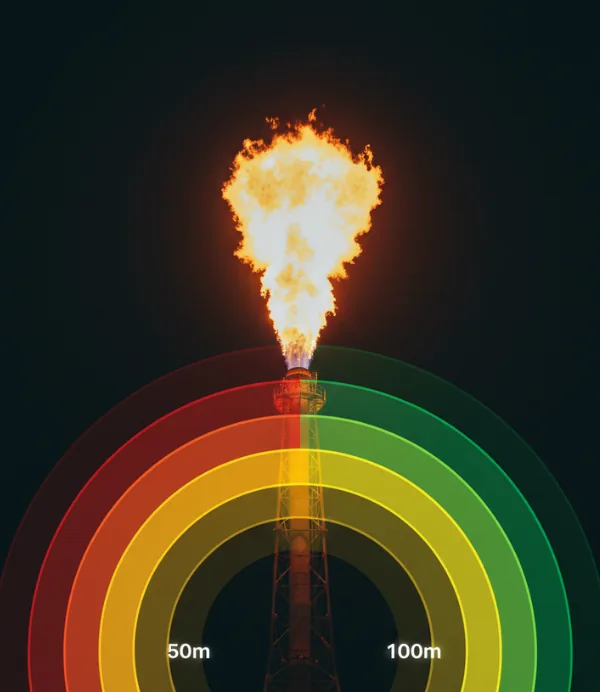
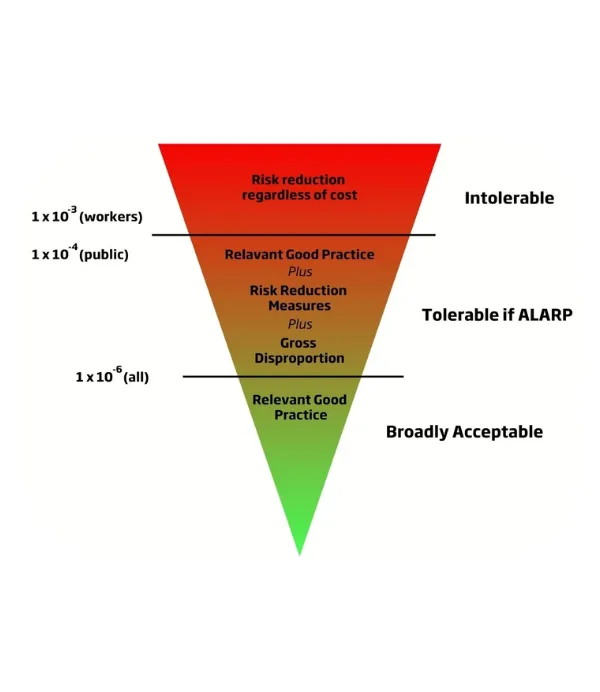
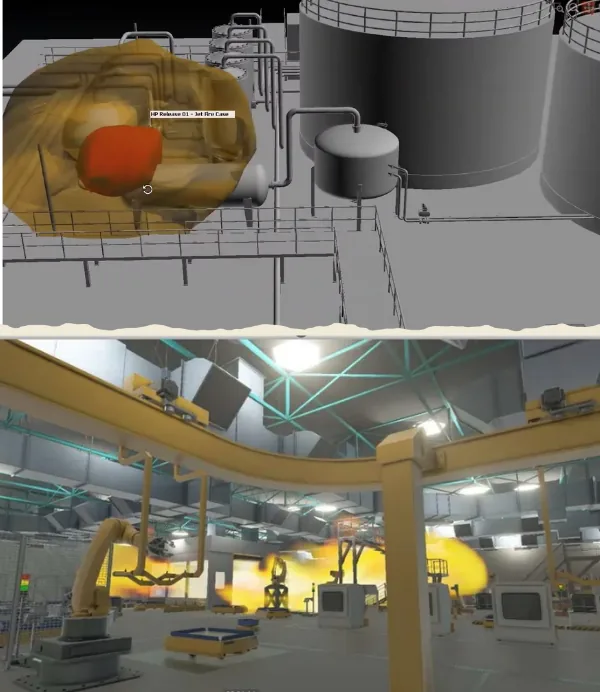
Where HAZOP is descriptive, QRA is numerical. It combines consequence modelling - pool fires, jet fires, flash fires, vapour cloud explosions and toxic dispersion - with frequency analysis, and expresses the result as individual risk contours and societal risk. QRA is what answers questions about siting, separation distances and risk to neighbouring populations.
MAH Analysis
Major Accident Hazard (MAH) analysis addresses the scenarios with the potential for serious offsite consequences. For sites handling hazardous chemicals above threshold quantities, requirements under the Manufacture, Storage and Import of Hazardous Chemical Rules, 1989 and the Factories Act, 1948 make a documented understanding of these hazards a regulatory expectation as well as a safety one.
Bow-Tie Analysis
Bow-Tie analysis puts a whole hazard scenario on a single diagram: threats on the left, consequences on the right, and the preventive and mitigative barriers in between. Its practical value is that every barrier can be given an owner and a performance standard, which turns process safety into something maintenance can actually track.
Which study does your plant need?
- New unit or major modification - HAZOP first, then SIL determination for the safety functions it identifies
- Siting, layout or land use decisions - QRA
- MAH installation - both, plus MAH analysis
- Communicating risk to management or a regulator - Bow-Tie







 As per MOEF & CC’s (Govt. of India) Office Memorandum
F. No. 22-34/2018-IA.III dated 9th August 2018 Self-Environmental Audit shall be conducted annually.
Every three years third party environmental Audit shall be carried out.
As per MOEF & CC’s (Govt. of India) Office Memorandum
F. No. 22-34/2018-IA.III dated 9th August 2018 Self-Environmental Audit shall be conducted annually.
Every three years third party environmental Audit shall be carried out.