 +(91) 9284844427
 info@ujjwalengineers.com
 Maharashtra, Gujarat, India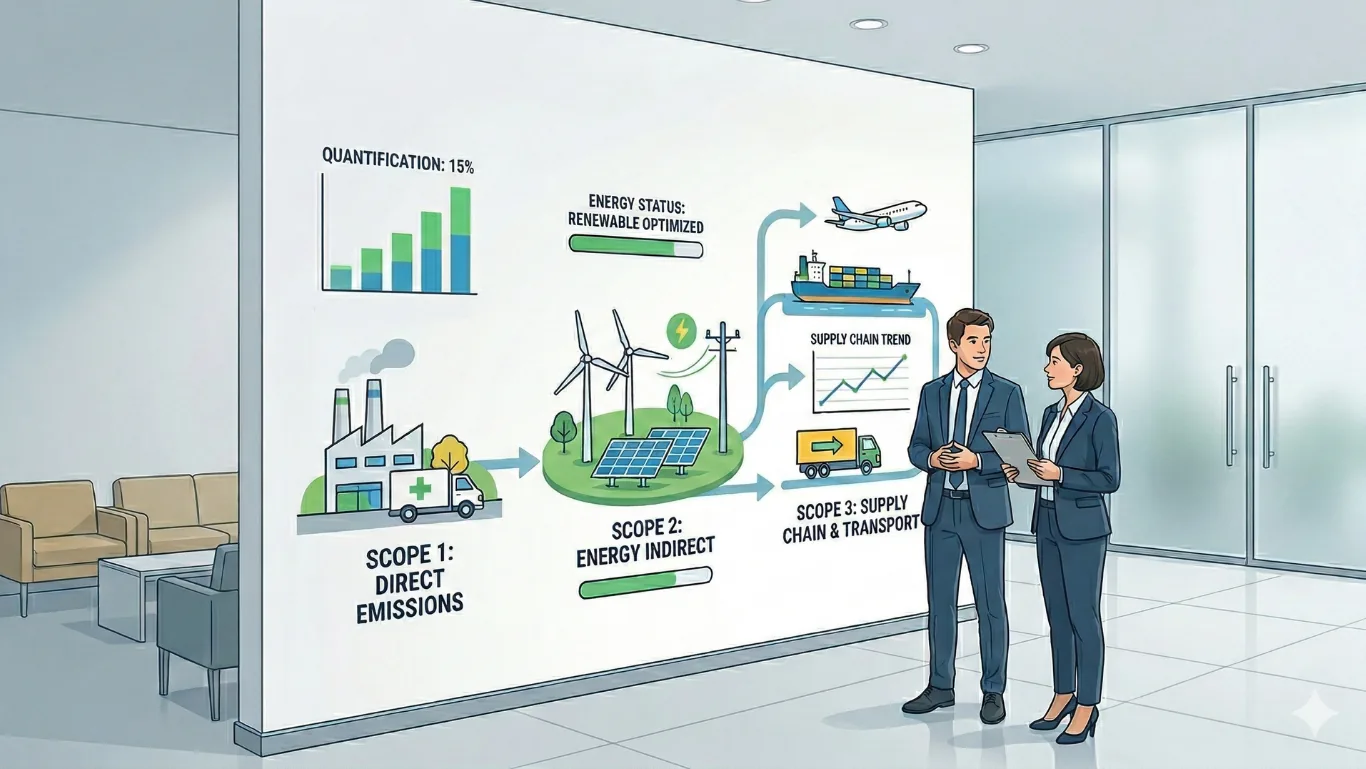
BRSR Core readiness is not a form-filling exercise at year end. It is a controlled data process: each number needs an owner, a repeatable calculation, source evidence and a review trail. When any one of those is missing, the reporting team spends the final weeks reconstructing a year of activity.
For FY 2026-27, the practical starting point is the current SEBI framework and the applicable industry standards. SEBI's original glide path extends BRSR Core requirements to the top 1,000 listed entities by market capitalisation for this financial year, while subsequent changes permit assessment or assurance. Teams should confirm their exact applicability against the latest SEBI circulars and the current LODR master circular before fixing the engagement scope.
The readiness test: choose any reported KPI and ask for the source file, calculation workbook, methodology note, named preparer and reviewer approval. If that chain cannot be produced quickly, the process is not yet assessment-ready.
1. Confirm scope and reporting boundary
- Confirm whether the listed entity falls within the current applicability threshold and which reporting period is in scope.
- Document the organisational boundary: parent, subsidiaries, joint ventures and sites included or excluded.
- Use one boundary consistently across energy, water, waste and emissions, or explain and approve any indicator-specific difference.
- Record the treatment of acquisitions, disposals and sites that operated for only part of the year.
Boundary differences are often the hidden reason two plausible totals do not reconcile. The same discipline is required when building a defensible GHG inventory.
2. Map every KPI to an owner and evidence source
| Data area | Typical owner | Evidence to retain |
|---|---|---|
| Energy and fuels | Utilities, finance, site engineering | Invoices, meter logs, fuel issue records and conversion factors |
| Water | EHS and utilities | Source-wise meter readings, tanker invoices and discharge records |
| Waste | EHS and stores | Category registers, manifests, weighment slips and authorised-vendor records |
| GHG emissions | Sustainability and EHS | Activity data, factor source, calculation file and assumptions |
| Workforce indicators | HR and payroll | Employee master, payroll extracts, definitions and reconciliations |
| Turnover and intensity denominators | Finance | Approved financial extracts and documented unit conversions |
Put this mapping in a responsibility matrix. A shared mailbox or department name is not an owner; the matrix needs a person responsible for preparation and a different person responsible for review.
3. Lock calculation methods before year end
Document the unit, formula, conversion factor, emission factor, rounding rule and denominator for each calculated indicator. Version-control the workbook and prevent unexplained formula changes. For emissions, retain the source and version of every factor and clearly distinguish Scope 1, Scope 2 and relevant value-chain data. Our guide to Scope 1, 2 and 3 emissions explains those boundaries.
4. Reconcile before the reporting pack is signed
- Electricity totals to invoices and site-level meter summaries.
- Fuel consumption to purchase, stock and issue records.
- Water withdrawal to source-wise records and consent disclosures.
- Waste generation to statutory returns, manifests and vendor certificates.
- Revenue and production denominators to approved finance or operations data.
- Current-year totals to prior-year disclosures, with material movements explained.
Reconciliation is especially important where the same environmental figures also appear in Form-V, consent compliance reports, customer questionnaires or product carbon footprint work.
5. Build an evidence index, not a folder dump
Create one index that links each KPI to its calculation file and supporting documents. Use stable file names, reporting-period labels and read-only final versions. The objective is traceability: a reviewer should move from the disclosed number to the source evidence without asking the preparer to explain the filing system.
6. Run a dry assessment
Select a sample across sites and indicators. Recalculate the result, test the evidence chain, check approvals and record exceptions. Give owners time to close gaps before the independent provider begins. A dry run should test the process, not merely proofread the final report.
Official references
- SEBI: BRSR Core framework and original applicability glide path
- SEBI: Industry Standards on Reporting of BRSR Core
- SEBI: BRSR Core assurance or assessment FAQs
This checklist is operational guidance, not legal advice. Always apply the latest SEBI requirements and company-specific professional advice.
Frequently Asked Questions
Who should own BRSR Core preparation?
A central sustainability or reporting team can coordinate the process, but each indicator needs a named data owner in the function that creates the underlying record. Preparation and review should be assigned to different people so the control is visible and repeatable.
What evidence should be kept for BRSR Core indicators?
Keep the source record, calculation workbook, methodology note, factor source, assumptions, preparer identity and reviewer approval. The evidence should allow an independent reviewer to reproduce the reported number without relying on verbal explanation.
Is BRSR Core assessment the same as consulting support?
No. Readiness and consulting support helps management build the data process and reporting pack. Independent assessment or assurance evaluates the disclosures. The applicable independence and conflict-of-interest requirements should be checked before appointing providers.
When should a BRSR Core dry run be completed?
Complete it early enough for data owners to correct gaps before the reporting pack is final. Waiting until the independent engagement begins turns correctable control gaps into formal exceptions and creates avoidable reporting pressure.
Does BRSR data need to reconcile with other environmental returns?
Where the same activity data appears in Form-V, consent compliance reports, waste returns, GHG inventories or customer disclosures, the figures should reconcile or the boundary and methodology difference should be documented and approved.
Need expert help with this?
We help listed companies map BRSR Core indicators, assign data owners, document calculation methods and prepare evidence for independent assessment or assurance.
Discuss BRSR Readiness