 +(91) 9867215033
 info@ujjwalengineers.com
 Maharashtra, Gujarat, India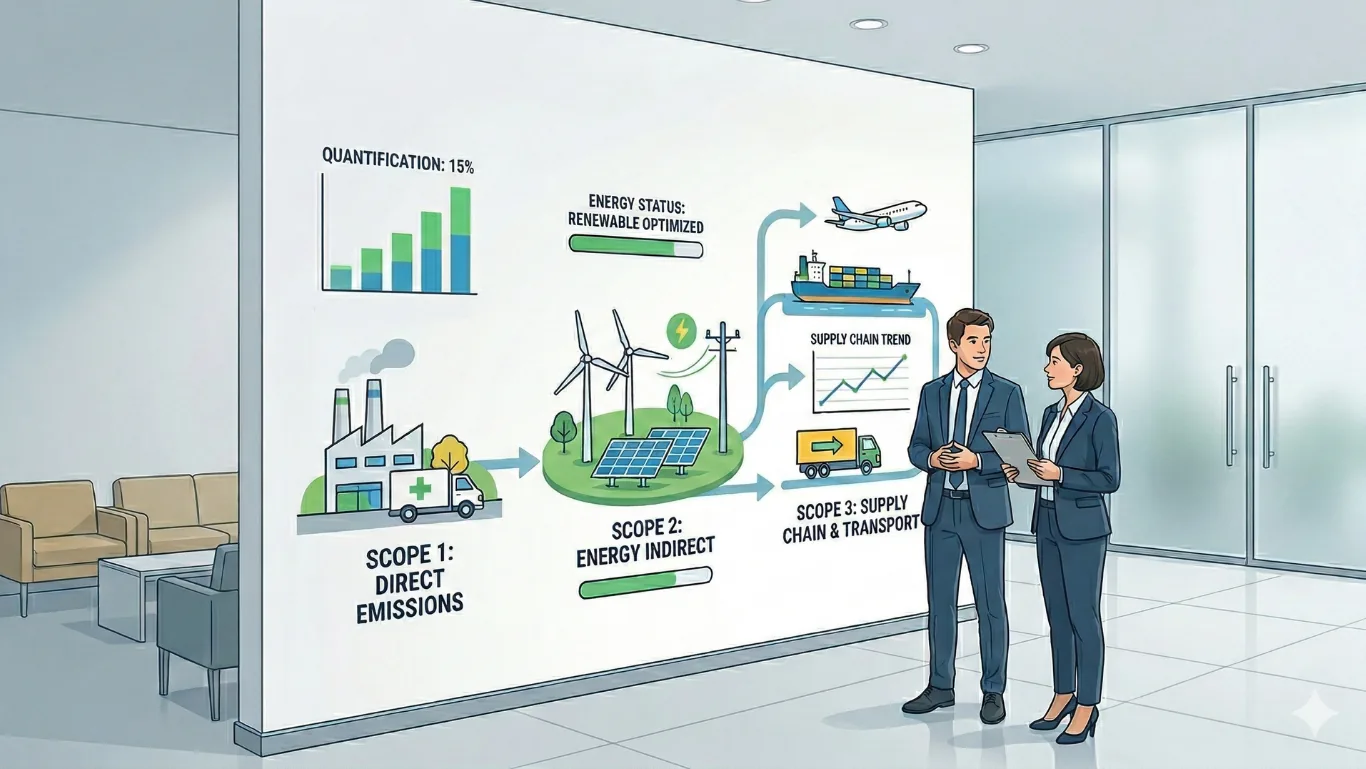
Most companies approach their first BRSR as a writing exercise. It is not. The narrative sections take a week. The quantitative indicators take a year - because you cannot report a number you never measured.
What BRSR is
Business Responsibility and Sustainability Reporting is SEBI's disclosure framework for India's largest listed companies, replacing the earlier Business Responsibility Report. It asks for considerably more measured data across environmental, social and governance dimensions.
A subset of indicators, BRSR Core, is subject to independent assessment or assurance on a phased basis. Which companies and from which year depends on the current SEBI circulars, and should be confirmed against those directly rather than from general guidance.
Why it turns into a scramble
The environmental indicators want energy intensity, water withdrawal by source, waste by category and emissions by scope - consistently measured across every site, for a full year. Companies starting in the reporting month discover that each site tracked things differently, or did not track them at all.
Three specific things cause the most trouble:
- Intensity metrics. Not just total energy, but energy per unit of output or per rupee of turnover. That needs the denominator recorded consistently too.
- Water by source. Surface, ground, third-party, seawater, and produced water tracked separately. Most sites record one total.
- Scope 3 emissions. Value chain data that lives with suppliers and customers. See Scope 1, 2 and 3 explained.
What an assessment or assurance actually tests
This surprises people. An independent review does not just check whether your number is plausible - it checks how you arrived at it. The emission factor used, the source it came from, who collected the underlying data, and whether the same method was applied consistently.
A defensible number with a documented method passes. An accurate number with no documented method does not.
A sequence that works
- Gap assessment first. Go indicator by indicator: can we report this today, partly, or not at all? The "not at all" list is your project.
- Fix the denominators. Intensity metrics fail if production or turnover is not recorded on the same basis across sites.
- Build the GHG inventory properly. Boundaries, base year, method - see GHG emission reporting.
- Document as you go. Every factor, assumption and source, recorded when used rather than reconstructed later.
- Dry-run the Core indicators before the assessment or assurance provider arrives.
The upside nobody mentions
The data BRSR forces you to build is the same data that answers EcoVadis, customer sustainability questionnaires and CBAM requests from EU buyers.
Companies that treat these as four separate exercises pay four times. Companies that build one measurement system answer all of them from it.
For an operational control-by-control review, use our BRSR Core readiness checklist for FY 2026-27.
Frequently Asked Questions
Which companies have to file a BRSR?
SEBI's framework applies to India's largest listed companies by market capitalisation, with the threshold and phasing of BRSR Core assessment or assurance set out in SEBI circulars. Because those thresholds and timelines have been revised, applicability should be confirmed against the current circulars for the relevant reporting year.
What is the difference between BRSR and BRSR Core?
BRSR is the full disclosure format. BRSR Core is a defined subset of indicators subject to independent assessment or assurance. The distinction matters because Core indicators need documented methodology and evidence that will withstand an independent provider's review, not just a reported figure.
How far in advance should BRSR preparation start?
A full reporting year ahead where indicators are not already measured. The quantitative sections require consistent data across all sites for the entire period, and data that was not collected during the year cannot be reconstructed at reporting time.
Does BRSR require Scope 3 emissions?
The framework includes value chain emissions among its indicators, though the depth expected varies and continues to evolve. Scope 3 is typically the hardest section because the data sits with suppliers and customers rather than within your own operations.
Can BRSR data be reused for other frameworks?
Yes, and it should be. The same GHG inventory and resource-use data supports EcoVadis assessments, customer sustainability questionnaires, product carbon footprints and CBAM reporting. Building one measurement system rather than four separate exercises is what makes the cost manageable.
Need expert help with this?
We run BRSR gap assessments, build the data architecture behind the indicators, and prepare BRSR Core evidence for assessment or assurance.
Discuss BRSR Support