 +(91) 9867215033
 info@ujjwalengineers.com
 Maharashtra, Gujarat, India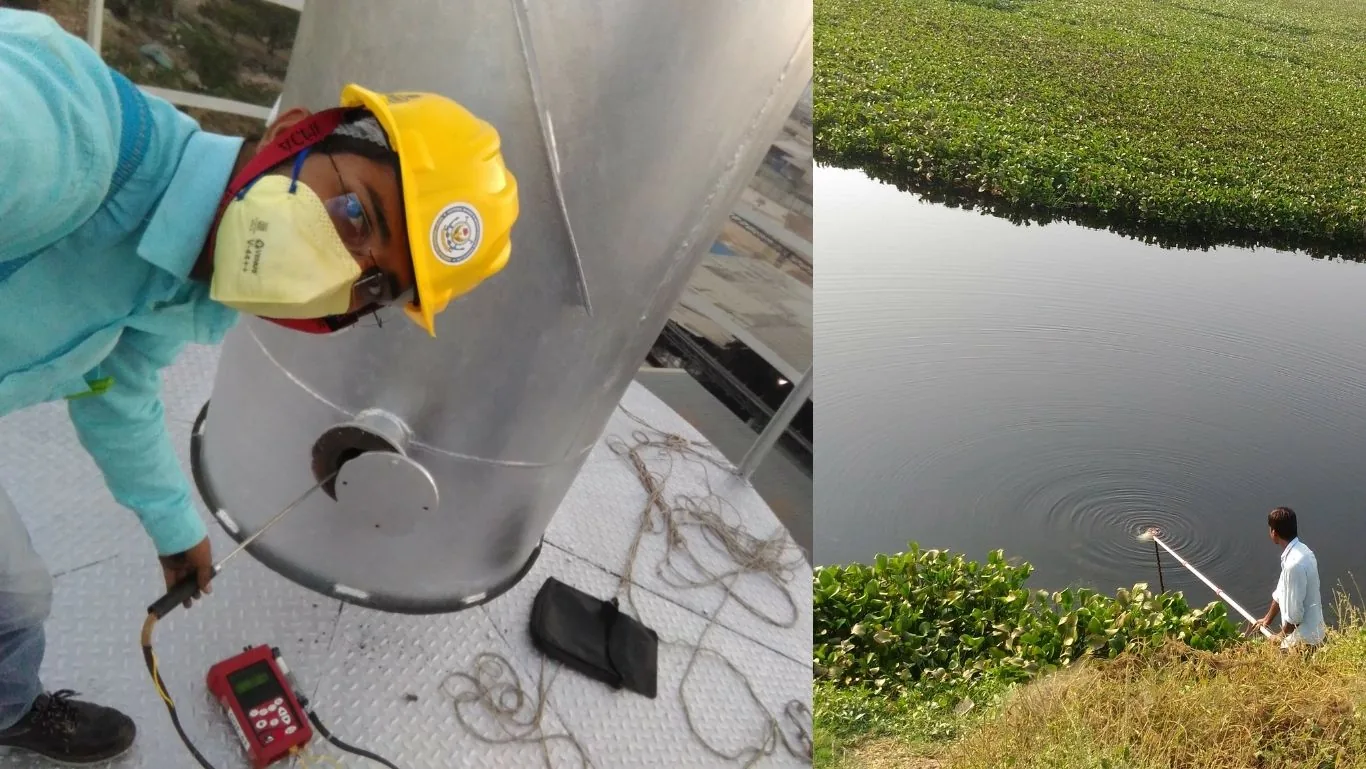
When soil testing is needed
- Before a transaction. Undisclosed contamination transfers with the land, and remediation cost is rarely small - see environmental due diligence
- For environmental clearance. Soil characteristics form part of the baseline in an EIA study
- After a spill or leak. To establish extent and depth before deciding on remediation
- Around storage and waste areas. Where tanks, drum yards and hazardous waste storage sit, as ongoing assurance
Parameters we analyse
- Heavy metals - lead, cadmium, chromium including hexavalent, mercury, arsenic, nickel, zinc
- Total petroleum hydrocarbons and oil and grease
- pH, electrical conductivity, cation exchange capacity, organic carbon
- Nitrogen, phosphorus, potassium and micronutrients for agricultural assessment
- Texture, bulk density, porosity and permeability
Sampling decides the answer
Soil contamination is rarely uniform. It concentrates around the source and moves with the water table, so a single surface sample from a convenient corner tells you almost nothing. We sample on a grid across the area of interest, at multiple depths, with the depth profile chosen from the suspected source and the local water table - which is what makes the result defensible if it is ever challenged.
Frequently asked questions
How deep do you sample?
It depends on what is being looked for. Surface contamination from spills sits in the top 300mm; leaking underground tanks need profiling to below the water table. The depth plan comes from the site history, not from a standard template.
How long do results take?
Seven to ten working days for a standard suite. Heavy metals and TPH on a large grid take longer, and we agree the schedule before sampling starts.
Is the report accepted for due diligence?
Yes. Results are issued through an NABL accredited laboratory with the sampling plan, coordinates, depths and chain of custody documented - which is what a buyer's or lender's advisor will want to see.
Can you advise on remediation?
Yes. Once extent and depth are known we assess the options - excavation and disposal, bioremediation or containment - against cost and the end use of the land.





 As per MOEF & CC’s (Govt. of India) Office Memorandum F.
No. 22-34/2018-IA.III dated 9th August 2018 Self-Environmental Audit shall be conducted annually. Every
three years third party environmental Audit shall be carried out.
As per MOEF & CC’s (Govt. of India) Office Memorandum F.
No. 22-34/2018-IA.III dated 9th August 2018 Self-Environmental Audit shall be conducted annually. Every
three years third party environmental Audit shall be carried out.