 +(91) 9867215033
 info@ujjwalengineers.com
 Maharashtra, Gujarat, India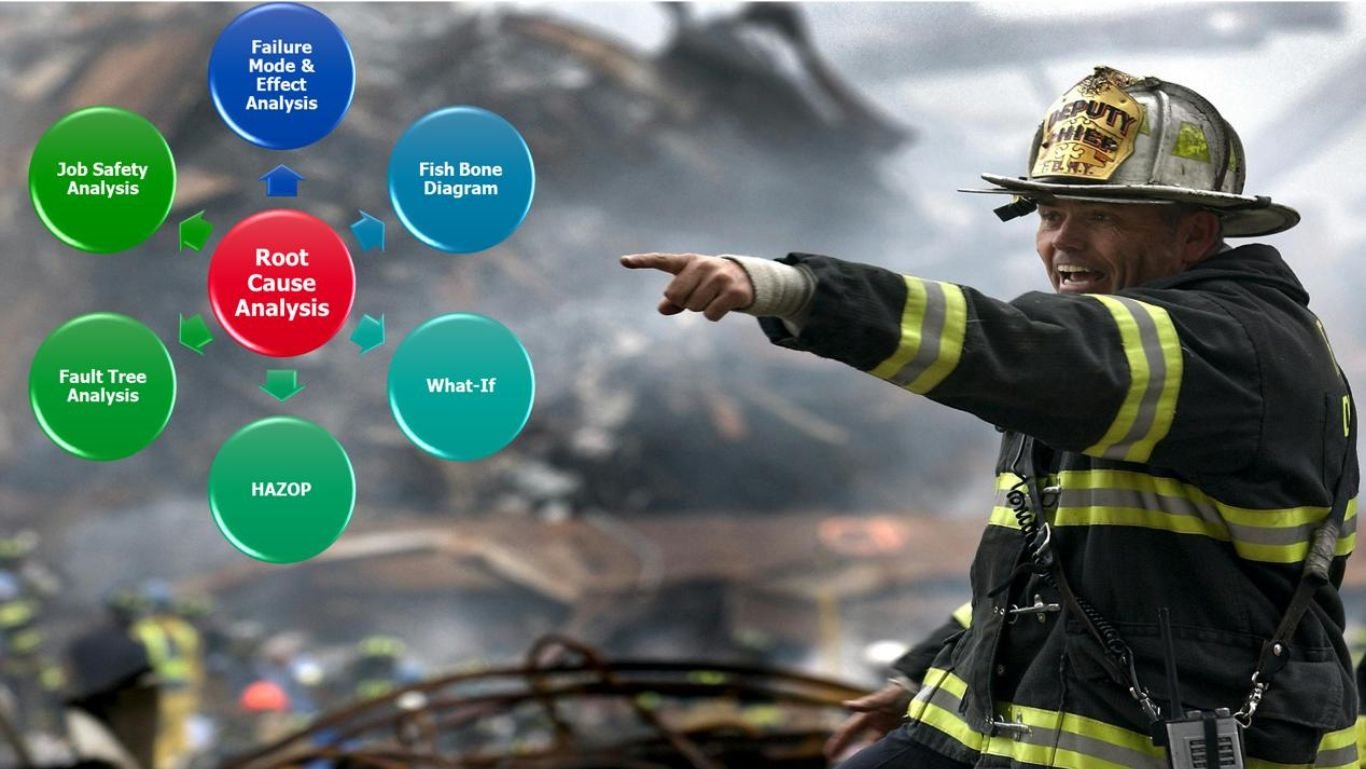
What the plant does, not what the file says
A safety audit checks the distance between the written system and the operating reality. Permits, isolation, contractor control, emergency readiness, machine guarding, electrical safety and the management of change - each examined as practised, on the floor, on the shift that happens to be running.
Scope
- Management systems - policy, responsibility, competence, contractor control, incident reporting and how findings are closed.
- Hardware - guarding, interlocks, relief and venting, firefighting provision, storage and handling of hazardous material.
- Work practice - permit to work, isolation and lockout, confined space entry, work at height, hot work.
- Emergency readiness - the on-site emergency plan, drill records and whether the roles in it exist on every shift.
- Statutory position - registers, tests, certificates and examinations that should be current and often are not.
Findings that can actually be closed
Each finding is classified by severity, traced to the standard or clause behind it, and paired with a recommended action and an owner. The audit opens by reviewing the last one, because an open register carried for years is itself the most serious finding available - and it is the first thing an investigator reads after an incident.
Where it fits
An audit sits downstream of design studies. HAZOP and LOPA test the design; HIRA tests the task; the audit tests whether any of it survived contact with daily operation. For MAH installations the three are expected to exist together and to agree.
Frequently Asked Questions
How often is a safety audit required?
For sites covered by hazardous chemical rules, periodic external audit is an expectation, and many state factory rules set their own interval. Sites outside that still commonly audit annually because insurers and customers ask for it.
What is the difference between a safety audit and a HAZOP?
A HAZOP examines the design - what can deviate from design intent. A safety audit examines the operating reality - whether the systems, the hardware and the behaviour match what the documents say. A plant can pass a HAZOP on paper and fail an audit on the floor.
Does an audit need to be done by someone external?
For statutory purposes, generally yes, and it is the point of the exercise even where it is not required. An internal audit tends to find what the organisation already knows; an external one finds what it has stopped noticing.
What does the report look like?
Findings classified by severity, each traced to the clause or standard it sits against, with a recommended action and an owner. Not a score on its own - a score without a closure route is a number, not an improvement.
What happens to the previous audit's recommendations?
They get reviewed first. The most common finding in any repeat audit is an open register from the last one, and a site with three years of unclosed recommendations has a documentation problem that matters more than most new findings.





 As per MOEF & CC’s (Govt. of India) Office Memorandum F.
No. 22-34/2018-IA.III dated 9th August 2018 Self-Environmental Audit shall be conducted annually. Every
three years third party environmental Audit shall be carried out.
As per MOEF & CC’s (Govt. of India) Office Memorandum F.
No. 22-34/2018-IA.III dated 9th August 2018 Self-Environmental Audit shall be conducted annually. Every
three years third party environmental Audit shall be carried out.