
 +(91) 9867215033
 info@ujjwalengineers.com
 Maharashtra, Gujarat, India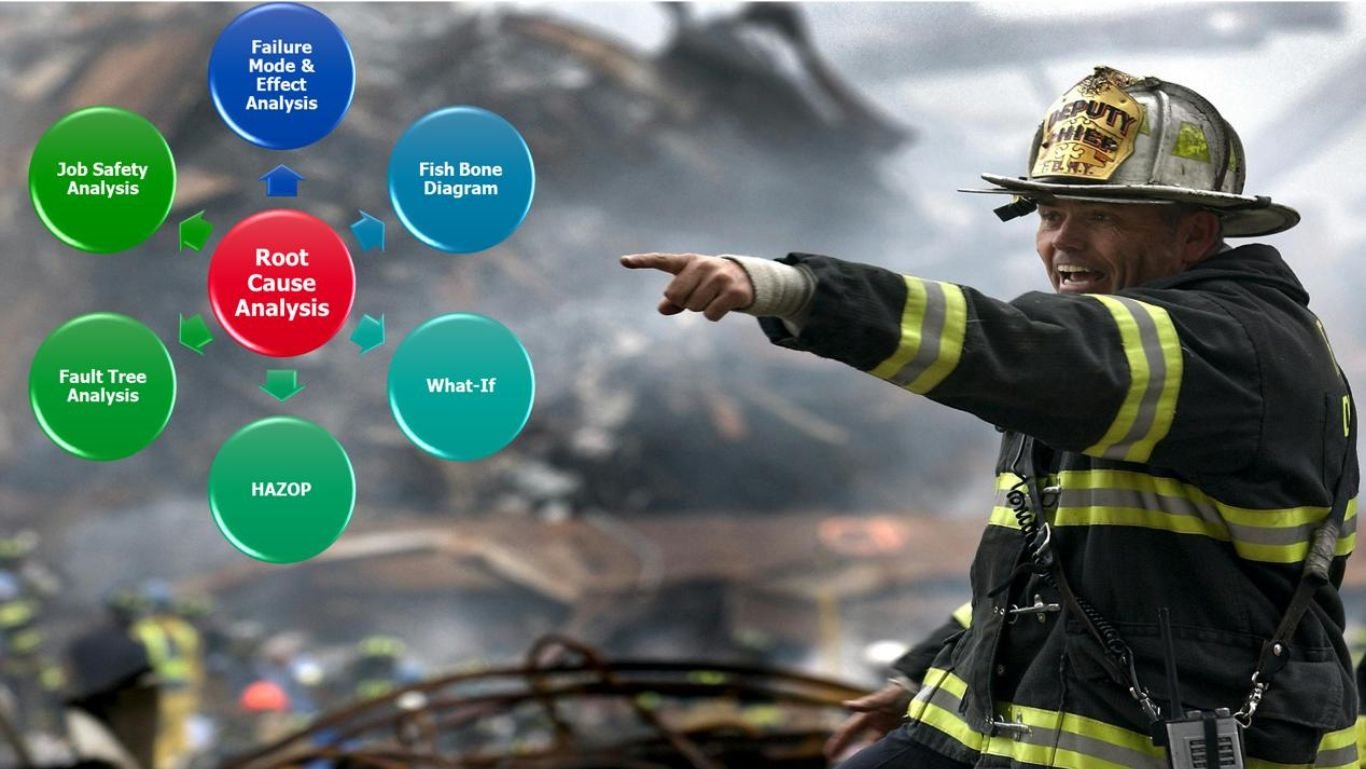
What a HAZOP actually is
A Hazard and Operability study is a structured, node-by-node examination of a process against its design intent. A team applies guidewords - no, more, less, reverse, as well as, part of, other than - to each parameter in each node, and asks what would cause that deviation, what the consequence would be, what protection already exists, and whether it is enough.
The method is old and unglamorous, and that is the point. Its value comes from discipline: a defined node list, a competent chair, an independent view of the design, and a record that survives the meeting.
When you will be asked for one
- As a condition in an environmental clearance or a consent, particularly for chemical, petrochemical and pharmaceutical projects.
- For sites that qualify as Major Accident Hazard installations, where hazard analysis is a statutory expectation rather than good practice.
- By a licensor, an EPC contractor or an insurer before commissioning.
- Ahead of a SIL determination, which takes the HAZOP scenarios as its starting point.
- After a significant modification, where management of change requires the design to be re-examined.
How we run the study
We chair and scribe as two separate people. The chair keeps the team on the node and off the solution; the scribe records cause, consequence, safeguard, and recommendation as the discussion happens, not afterwards from memory.
Before the first session we agree the node split, confirm the drawing revisions, and collect what the team will need in the room - cause and effect charts, relief philosophy, alarm and trip schedules, operating procedures for non-routine modes. Studies stall when that material is fetched mid-session.
You receive the worksheet in full, a recommendations register with owners and priorities, and a close-out format that lets you demonstrate to a regulator or an auditor that each item was actioned, deferred with a reason, or superseded.
Where HAZOPs go wrong
- The chair is not independent. When the person who designed the system also chairs the review of it, the study becomes a defence of the design.
- Drawings are not frozen. Findings cannot be traced to a revision, so nobody can say later what was actually reviewed.
- Recommendations are never closed. This is the most common finding in our audits - a good study from three years ago with an open register, which is worse than no study at all when an incident is investigated.
- Human factors and non-routine modes are skipped. Start-up, shutdown, cleaning and catalyst change are where a surprising share of incidents originate, and they are the modes teams rush through.
What follows a HAZOP
A HAZOP tells you what can go wrong and whether the protection is credible. It does not tell you how likely the outcome is or how far the effects reach. Where that matters - siting, land use, emergency planning, insurance - the scenarios feed into a quantitative risk assessment, consequence and dispersion modelling, or fire and explosion risk analysis.
Studies are delivered from our Thane district base across Mumbai and Navi Mumbai, Vapi, Ankleshwar and Pune.
The release sources a HAZOP registers are the same ones that drive hazardous area classification - the study that decides which electrical and instrumentation equipment may be installed where.
Frequently Asked Questions
How long does a HAZOP study take?
It follows the node count, not the calendar. A small modification may be two sessions; a full plant on fresh P&IDs is commonly two to four weeks of workshop days plus reporting. Sessions longer than about four to five hours a day stop producing useful findings, which is why compressing a HAZOP into fewer, longer days rarely works.
Do the P&IDs need to be final before a HAZOP?
They need to be issued for construction, or at minimum frozen for the review. A HAZOP run on drawings that change afterwards has to be revisited, and the recommendations lose their traceability to a specific revision.
Who should attend a HAZOP workshop?
Process, operations, instrumentation and control, mechanical, and HSE, with the licensor or design contractor where the technology is theirs. The chair should be independent of the design, and a dedicated scribe is not optional - a chair who also records loses the room.
How often should a HAZOP be revalidated?
Common industry practice is a revalidation cycle of about five years, and immediately after any significant change to process, chemistry or protective systems. Management of change should decide whether a change triggers a fresh study rather than waiting for the cycle.
What is the difference between HAZOP and HAZID?
HAZID is broad and early, covering siting, external hazards and layout before the design is fixed. HAZOP is narrow and later, examining deviations from design intent line by line against the P&IDs. They answer different questions and neither replaces the other.





 As per MOEF & CC’s (Govt. of India) Office Memorandum F.
No. 22-34/2018-IA.III dated 9th August 2018 Self-Environmental Audit shall be conducted annually. Every
three years third party environmental Audit shall be carried out.
As per MOEF & CC’s (Govt. of India) Office Memorandum F.
No. 22-34/2018-IA.III dated 9th August 2018 Self-Environmental Audit shall be conducted annually. Every
three years third party environmental Audit shall be carried out.